
The Most Widespread Auto Repairs and How to Avoid Them
Modern vehicles are intricate machines built to handle thousands of miles of varied road conditions, seasonal weather shifts, and daily commuting demands. Despite advances in automotive engineering, everyday friction, heat, and vibration inevitably take a toll on essential mechanical systems. When parts wear out unexpectedly, drivers face disrupted schedules, towing expenses, and significant hits to their household budgets. Many motorists view sudden breakdowns as completely unavoidable bad luck, yet the majority of mechanical failures give plenty of early warning before leaving you stranded.
Taking a proactive approach to vehicle maintenance is the most effective way to protect your wallet from emergency local auto repairs. Rather than waiting for a roadside emergency, understanding which components fail most frequently gives you the power to intervene early. According to research compiled by Consumer Affairs, the top four most widespread auto repairs stem from problems with the electrical system, the cooling system, powertrain issues involving the engine and transmission, and fuel-related complications. By recognizing how these primary assemblies function, spotting early symptoms of distress, and sticking to sensible upkeep routines, you can dramatically extend your vehicle’s lifespan and keep your driving experience safe and predictable.
Diagnosing Electrical Glitches Before Total Battery Failure
The modern automobile relies more heavily on electrical architecture than ever before, powering everything from spark plugs and engine sensors to infotainment screens and safety cameras. When electrical components weaken, the entire vehicle can become erratic or refuse to turn over entirely. The starting and charging ecosystem—anchored by the 12-volt battery, the alternator, and the starter motor—remains the primary culprit behind no-start service calls. Over time, recurring heat cycles degrade internal battery plates, while alternators suffer worn brushes, bad voltage regulators, or failing bearings after years of spinning under the hood.
Common warning signs of electrical failure include sluggish engine cranking upon startup, dimming headlights during idle, clicking noises when turning the key, and intermittent dashboard warnings. To prevent sudden failures, we recommend conducting a visual inspection of your battery terminals every six months to clear away white, powdery acidic corrosion that restricts electrical current flow. Have your battery and alternator tested annually, particularly ahead of summer heat waves and sub-zero winter temperatures, which drastically reduce cold-cranking capability. Addressing weak electrical output early takes minimal time, whereas neglecting minor battery symptoms often leads to sudden tow-truck calls and unplanned local auto repairs.
Flushing Cooling Systems to Prevent Engine Overheating
Internal combustion produces colossal amounts of thermal energy, requiring an efficient cooling system to maintain operating temperatures within a precise range. The radiator, water pump, thermostat, coolant fluid, and rubber hoses work continuously to circulate liquid through the engine block and dissipate excess heat. When any link in this thermal loop breaks down, engine temperatures spike rapidly. Unchecked overheating can warp aluminum cylinder heads, crack engine blocks, and blow delicate head gaskets within just a few minutes of operation.
Warning signs of a failing cooling system include an engine temperature gauge creeping toward the red zone, a sweet, syrupy odor entering the cabin through the heater vents, bubbling sounds under the hood, or bright green, orange, or pink puddles beneath your parked car. Preventing cooling failures requires periodic fluid exchanges. Our team recommends performing a complete radiator flush and coolant replacement every 30,000 to 50,000 miles to renew anti-corrosion additives that protect delicate internal radiator passages. In addition, squeeze rubber coolant hoses during regular oil services to check for hardening, softening, dry rot, or ballooning. Replacing a worn radiator hose today prevents warped engine blocks and avoids thousands of dollars in premature local auto repairs.
Protecting Fuel Systems Against Contamination and Injector Clogs
A vehicle's fuel system must deliver a steady, high-pressure, atomized spray of clean fuel into combustion chambers for clean, efficient power generation. Modern direct-injection systems operate at extreme pressures, leaving microscopic injector nozzles vulnerable to fuel varnish, carbon buildup, and fine particulates. Furthermore, electric fuel pumps—which reside inside the gas tank—rely on surrounding gasoline to keep their electric motors cool during operation. Running the fuel level consistently near empty causes the fuel pump to suck in sediment from the tank bottom while overheating the pump motor.
Symptoms of a compromised fuel system include hard cold starting, engine sputtering or hesitation under acceleration, noticeable drops in fuel economy, and random cylinder misfires. To keep fuel delivery clean and dependable, purchase gasoline from reputable, high-volume Top Tier fuel stations that use robust detergent packages to prevent carbon accumulation on injector tips. Make it a habit never to let your fuel tank drop below a quarter full, shielding your submerged fuel pump from thermal stress and debris ingestion. Finally, replace external inline fuel filters as recommended by your vehicle handbook. Clean filtration protects sensitive high-pressure pumps, steering you clear of rough running conditions and complicated local auto repairs.
Maintaining Brake Pads and Rotors to Stop Friction Damage
Vehicle safety hinges squarely on your braking system's ability to turn kinetic energy into thermal energy reliably across thousands of stops. Every time you press the brake pedal, hydraulic fluid clamps friction material—the brake pads—firmly against spinning steel rotors. Over time, constant heat and friction wear down pad compounds, while road grit and thermal cycling can groove or warp rotor surfaces. If pads wear down to bare backing plates, steel grinds directly against steel, ruining the rotors and severely lengthening stopping distances.
Early warning indicators of brake wear include high-pitched squealing from wear indicators, deep metallic grinding noises, a vibrating steering wheel when slowing from highway speeds, or a spongy, low brake pedal. Avoid severe friction damage by having your technician measure pad thickness during every routine tire rotation; pads should be replaced once the friction lining drops below three to four millimeters, in our experience. We also recommend flushing your hydraulic brake fluid every two to three years, as hygroscopic brake fluid absorbs atmospheric moisture over time, lowering its boiling point and causing internal rust in calipers and master cylinders. Timely pad and fluid replacements preserve smooth, quiet braking performance, preventing simple pad swaps from snowballing into urgent local auto repairs.
Inspecting Steering and Suspension Parts for Smooth Handling
Your suspension and steering assemblies perform two vital jobs simultaneously: insulating passengers from road harshness and keeping all four tires firmly planted on the pavement for optimal traction. Struts, shock absorbers, ball joints, control arm bushings, and tie rod ends absorb continuous road impacts while allowing wheels to turn accurately. Over tens of thousands of miles, rubber bushings dry out and split, internal hydraulic shock fluid leaks out through failing seals, and ball joints loosen, leading to loose steering responses and poor handling stability.
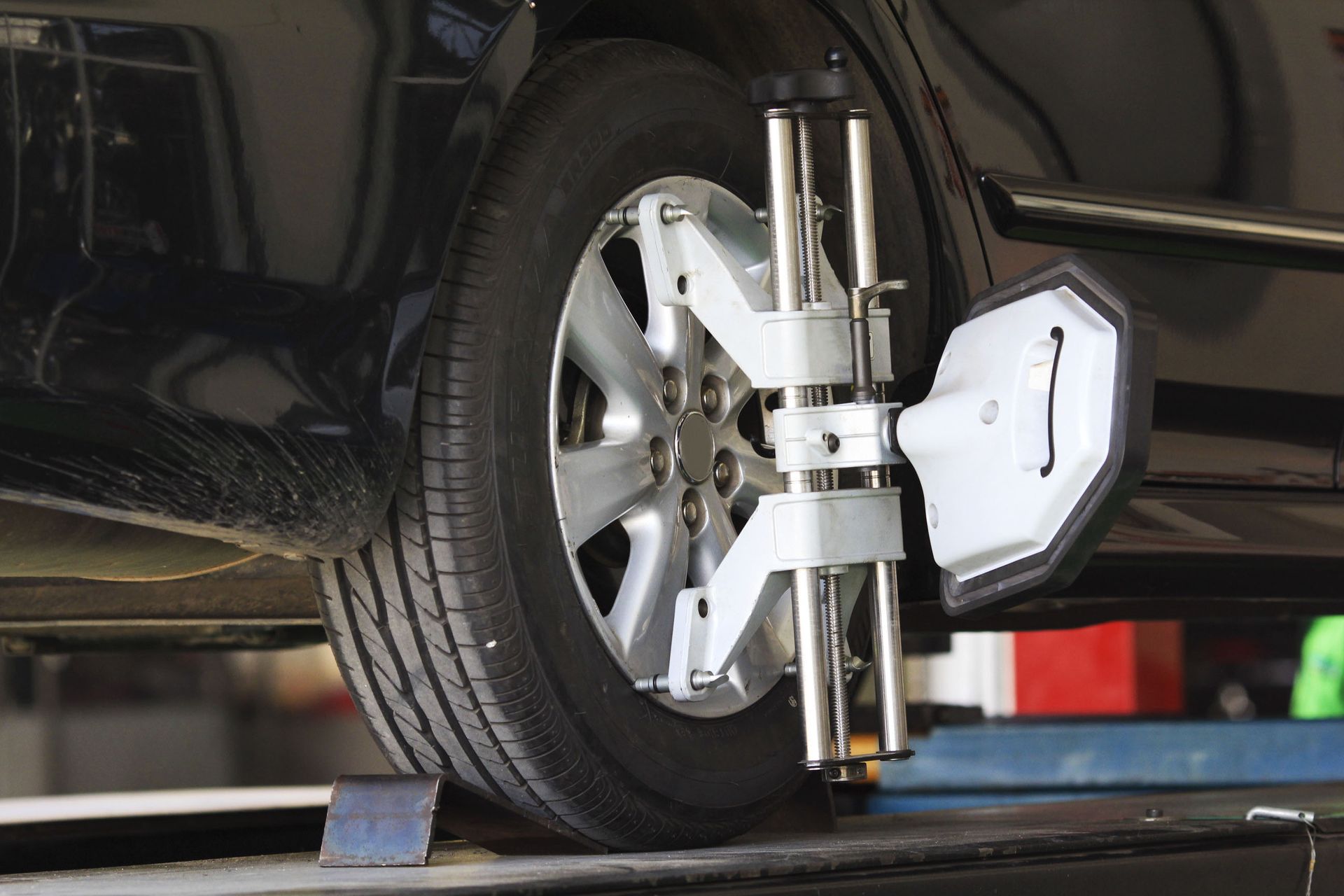
Signs of worn steering or suspension hardware include cupped or uneven tire tread wear, excessive vehicle bounce over roadway dips, wandering or drifting on straight highways, and knocking or clunking sounds when driving over bumps. Protecting your chassis requires regular alignment and tire balancing checks to ensure wheels track true and tires wear evenly across their contact patches. Inspect strut boots for oily residue and grease suspension ball joints if equipped with grease fittings during routine service intervals. Consistent suspension checks safeguard expensive tires and steering linkages, ensuring your vehicle remains steady on the road without demanding extensive local auto repairs.
Automotive components are designed to withstand tough operating environments, but every mechanical part eventually experiences wear and fatigue. The defining difference between a vehicle that surpasses two hundred thousand miles reliably and one plagued by constant breakdowns is the consistency of its preventative maintenance routine. Small investments in fresh fluids, timely filter changes, and seasonal system checks yield enormous dividends by catching minor component wear before it triggers cascading mechanical failures. Taking ownership of your vehicle’s upkeep gives you control over running costs, preserves vehicle resale value, and ensures you spend your time driving comfortably rather than dealing with inconvenient
local auto repairs.
Don’t wait for an active warning light or an unexpected roadside breakdown to disrupt your busy schedule. Contact the specialists at LexService today to schedule a comprehensive multi-point vehicle inspection. Give our friendly team a call or book your service appointment online now to keep your car operating safely and smoothly for miles to come.




Share On: