
Reasons Auto Repair Requires Brand-Specific Expertise
Subaru, Nissan, and Acura vehicles are engineered with distinct platforms, technologies, and performance philosophies that directly influence how they should be serviced. While they share similarities as Japanese automotive brands, each one integrates unique drivetrain systems, electronics, and calibration standards that affect how power is delivered, how systems communicate, and how performance is maintained over time. These differences are built into the core design of each vehicle, making brand-specific knowledge essential for accurate diagnostics, effective repairs, and long-term reliability, especially in many cases of local auto repairs.
Modern vehicles are increasingly complex, with mechanical and digital systems working together as one integrated structure. Engine performance, transmission behavior, safety features, and onboard electronics are all interconnected, meaning a change in one system can impact several others. Because of this, general repair approaches can overlook important brand-specific differences that affect performance, safety, and drivability in local auto repairs settings. Understanding how each manufacturer designs its systems helps ensure repairs support long-term vehicle health rather than compromise it.
Understanding Subaru Nissan and Acura Engineering Designing
Subaru, Nissan, and Acura each follow a different engineering philosophy that shapes how their vehicles are built and serviced. Subaru focuses heavily on symmetrical all-wheel-drive systems, Nissan emphasizes efficiency and CVT-driven performance, and Acura blends reliability with sport-oriented tuning. These differences mean that repair approaches must be tailored to each brand’s design logic in local auto repairs environments.
Each platform uses unique drivetrain layouts, suspension setups, and engine configurations that affect repair complexity. Subaru vehicles require careful AWD system balance, Nissan models depend on precise CVT behavior, and Acura vehicles often integrate performance-tuned systems that respond differently under load. Without brand-specific knowledge, these systems can be misdiagnosed or improperly serviced.
Material choices and structural design also vary significantly between manufacturers. This includes differences in engine mounting, chassis reinforcement, and electronic module placement. Understanding these variations is critical for ensuring repairs do not interfere with factory-engineered performance in local auto repairs situations. A technician trained in brand-specific systems ensures that every repair aligns with manufacturer intent. This preserves handling characteristics, system balance, and long-term durability across all three brands.
Managing Advanced Hybrid and Electrical Systems
Hybrid and electrical systems are becoming more common in Subaru, Nissan, and Acura vehicles, but each brand integrates them differently. Nissan has a strong history with electric and hybrid platforms, Subaru incorporates electrification alongside AWD systems, and Acura applies hybrid technology in performance-focused models, all of which impact how local auto repairs are performed.
These systems rely on precise coordination between electric motors, batteries, and combustion engines. Any imbalance in communication between components can affect efficiency and drivability. Accurate diagnostics require understanding how each manufacturer structures its hybrid architecture.
Electrical systems also extend beyond propulsion into safety, comfort, and performance features. Climate control, traction systems, and driver assistance technologies are all interconnected through electronic control modules. This means that a fault in one area can influence multiple vehicle systems. High-voltage components require specialized handling and safety procedures. Proper training ensures that technicians can safely diagnose and repair these systems without causing damage or introducing risk in local auto repairs environments.
Diagnosing Maintenance Schedules and Longevity Planning
Each manufacturer provides structured maintenance schedules designed to support long-term reliability. Subaru, Nissan, and Acura all define service intervals based on engine performance, fluid condition, and system wear patterns. Following these schedules correctly is essential for maintaining vehicle health in local auto repairs practices.
According to Auto Leap, the average vehicle is 12 years old, with some remaining on the road for up to 15 years. This demonstrates how proper maintenance plays a direct role in extending vehicle lifespan. When service schedules are followed consistently, vehicles are more likely to achieve long-term durability through proper local auto repairs routines.
Ignoring scheduled maintenance can lead to gradual wear that is not immediately visible. Fluids degrade, components loosen, and efficiency decreases over time. These small issues often develop into larger and more expensive repairs if left unaddressed. A structured maintenance approach helps identify issues early and prevent system failure. This includes inspections, fluid replacements, and diagnostic checks tailored to each brand’s requirements in local auto repairs environments.
Calibrating Proprietary Electronic and ECU Systems
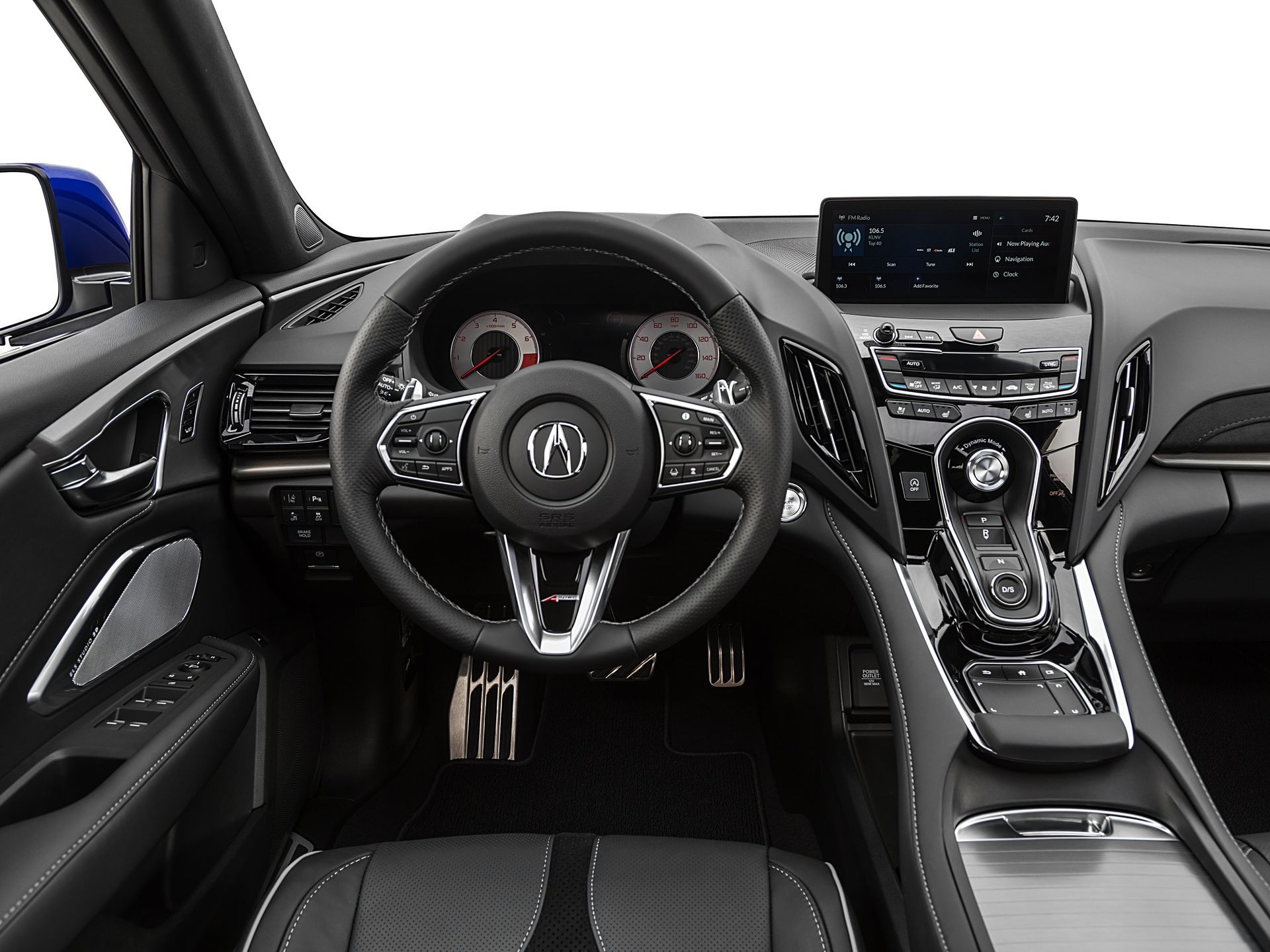
Modern Subaru, Nissan, and Acura vehicles rely heavily on ECU systems to manage engine performance, emissions, and drivability. Each manufacturer uses proprietary software that requires specialized tools for accurate calibration. These systems cannot be effectively serviced using generic diagnostic approaches in local auto repairs shops.
Incorrect ECU calibration can lead to performance issues such as rough shifting, reduced fuel efficiency, or unstable engine behavior. Nissan’s CVT systems, Subaru’s AWD coordination, and Acura’s performance tuning all depend on precise electronic control.
Electronic systems also manage advanced safety and driver assistance features. These include traction control, lane assistance, and adaptive braking systems that rely on continuous sensor feedback. Any calibration errors can affect multiple systems simultaneously. Proper ECU servicing ensures that all electronic components operate in sync. This maintains consistent performance and preserves factory-engineered driving characteristics in local auto repairs contexts.
Repairing Transmission and Drivetrain Systems
Transmission systems differ significantly across Subaru, Nissan, and Acura vehicles. Subaru uses symmetrical AWD systems, Nissan is known for CVT transmissions, and Acura often incorporates performance-oriented automatic systems. Each design requires a different repair approach in local auto repairs settings.
Nissan CVT systems require careful fluid management and calibration to maintain smooth operation. Subaru AWD systems depend on balanced torque distribution, while Acura transmissions focus on responsive and refined shifting behavior. These differences make specialized knowledge essential for proper servicing.
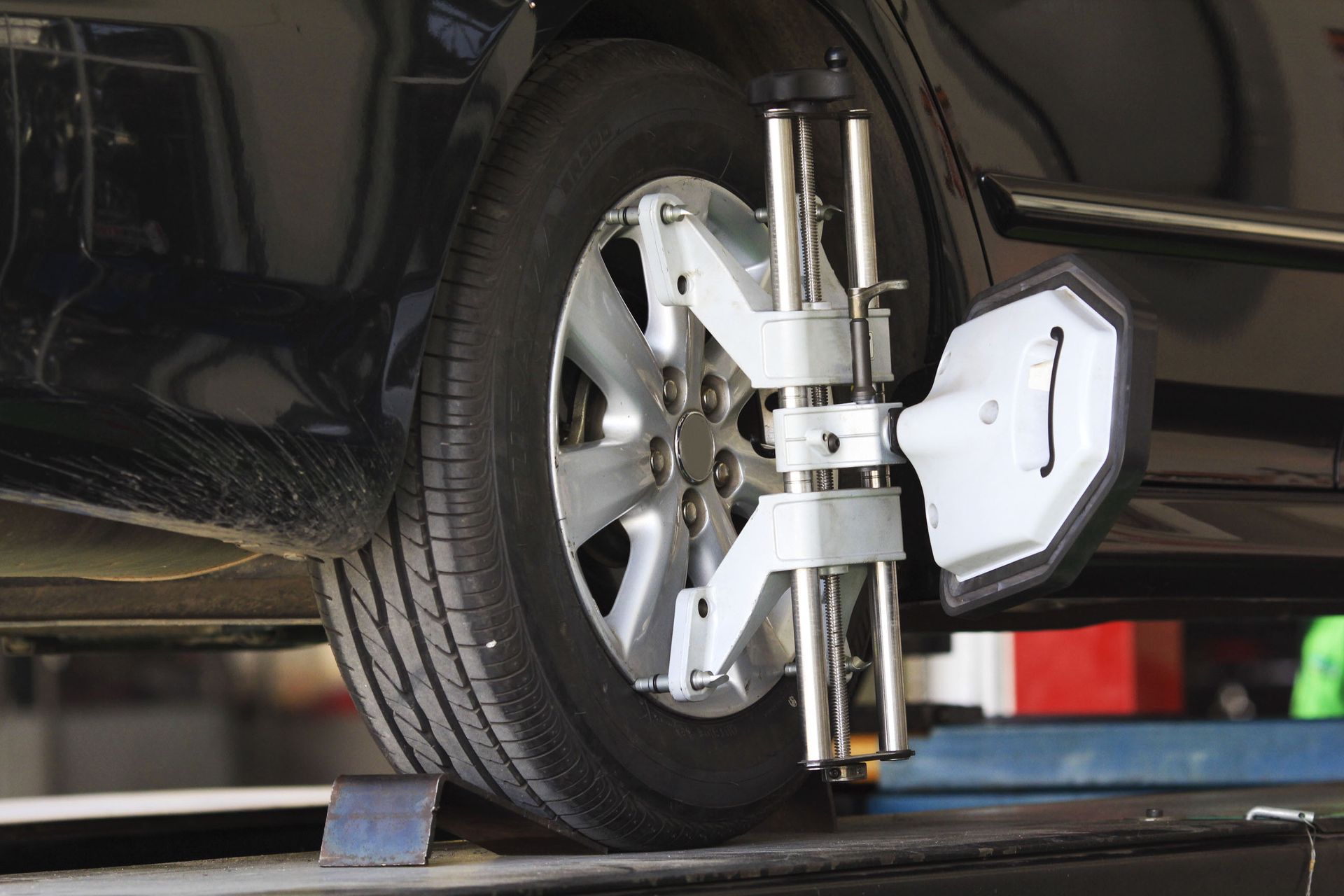
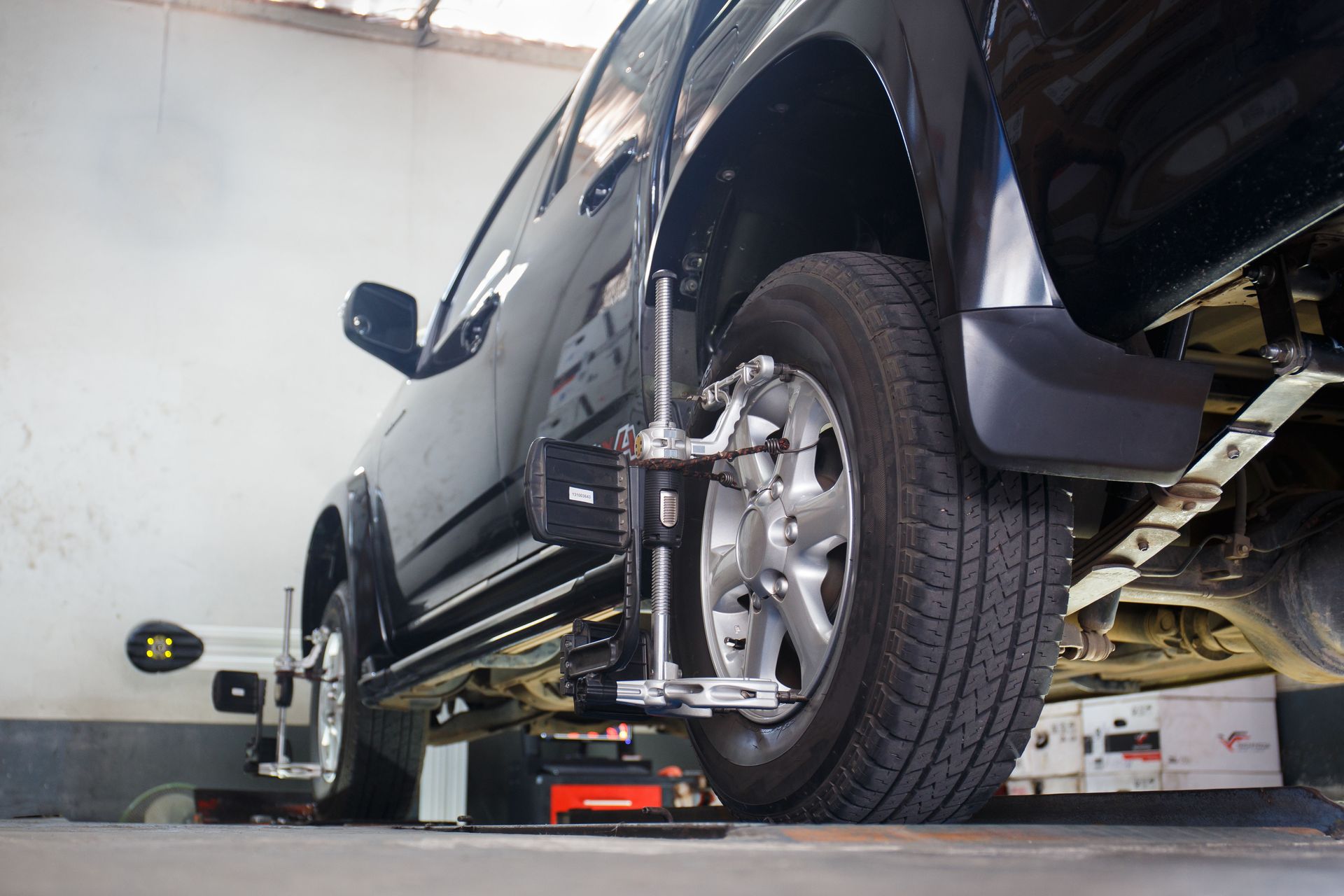
Drivetrain systems also require precise alignment to ensure efficient power delivery. Even small inconsistencies can affect acceleration, fuel economy, and overall driving stability. Proper diagnostics are necessary to identify whether issues are mechanical or electronic in nature. Accurate repair procedures ensure that transmission systems continue operating as intended. This helps maintain long-term reliability and consistent driving performance in local auto repairs environments.
Restoring Body Aerodynamics and Material Integrity
Aerodynamics play an important role in the performance of Subaru, Nissan, and Acura vehicles. Each brand designs its body structures to optimize airflow, reduce resistance, and improve stability. Improper body repairs can disrupt these engineered characteristics.
Vehicle materials vary between brands and often include lightweight alloys and reinforced composites. These materials improve efficiency and safety but require specialized repair techniques to maintain integrity. Incorrect repairs can weaken structural performance.
Collision repairs must restore exact panel alignment and factory specifications. Even minor deviations can affect airflow, handling, and noise levels. Precision is essential to returning the vehicle to its original condition. Proper restoration ensures that both appearance and performance are preserved. This maintains long-term durability and supports consistent driving behavior in local auto repairs work.
Integrating Safety Sensors and Software Updates
Subaru, Nissan, and Acura vehicles rely on advanced safety systems powered by sensors, radar, and cameras. These systems support features such as lane assistance, collision avoidance, and adaptive cruise control. Accurate calibration is necessary for proper function in local auto repairs environments.
Sensor misalignment can result in delayed or incorrect system responses. This reduces the effectiveness of safety features and can impact driver confidence. Proper diagnostics ensure all sensors are correctly positioned and functioning.
Software updates also play a key role in maintaining system performance and security. Manufacturers regularly release updates that improve functionality and system integration. These updates must be installed correctly to avoid system conflicts. Proper servicing ensures that all safety technologies operate reliably. This helps maintain both vehicle safety and system consistency over time.
Subaru, Nissan, and Acura vehicles each feature unique engineering systems that require precise, brand-specific servicing. From drivetrain design to electronic calibration, every system is interconnected and dependent on accurate maintenance. A specialized repair approach ensures that vehicles maintain performance, safety, and long-term reliability. For owners, this level of attention helps preserve driving quality and extend vehicle lifespan.




Share On: