
Don't Skip Your Annual Vehicle Inspection
Annual vehicle inspections are essential for keeping your car safe, reliable, and performing at its best. Beyond safety, inspections help maintain your vehicle’s value and prevent costly repairs. By understanding what inspections cover and their benefits, you can make informed decisions and keep your vehicle in top condition. Regular checkups are a cornerstone of responsible car ownership and can save you time, stress, and money in the long run.
Why Vehicle Inspections Matter
Safety First
Inspections ensure that critical systems like brakes, lights, seatbelts, and tires are in proper working order. By addressing potential hazards early, you reduce accident risks and enhance road safety. Tire condition and car alignment are checked to ensure proper handling and even wear. Proper alignment not only prevents uneven tire wear but also improves steering responsiveness and overall vehicle control. According to Kelley Blue Book, drivers should have a qualified mechanic check their vehicle every 12 months to spot potential issues, keeping safety a priority and preventing unexpected failures. Routine inspections help identify worn suspension components or misaligned wheels before they compromise safety.
Legal Compliance
Many regions require inspections by law to maintain roadworthiness. Missing mandated inspections can lead to fines or even suspension of driving privileges. Regular inspections ensure your car meets safety and emissions standards, helping avoid legal issues while promoting responsible ownership. Keeping documentation of inspections is also crucial in case of insurance claims or resale, proving that the vehicle has been properly maintained.
Protecting Vehicle Performance
Skipping inspections can lead to mechanical problems going unnoticed. Misaligned tires, worn brake pads, or fluid issues can reduce fuel efficiency and accelerate wear on components. Regular inspections help detect and fix these problems early, preserving performance and prolonging your vehicle’s lifespan. Maintaining proper car alignment is particularly important to prevent uneven tire wear, reduce vibrations, and improve fuel economy. Inspections also allow mechanics to identify small leaks or worn belts before they escalate into major engine issues.
Insurance Benefits
Some insurance companies consider vehicle condition when determining premiums. Regular inspections can demonstrate proper maintenance, potentially lowering insurance rates. Conversely, neglected vehicles may be deemed higher risk, leading to increased costs. Proactive inspections save money while keeping you covered. Additionally, in the event of an accident, a well-documented inspection history can support insurance claims and confirm that your vehicle was properly maintained.
Long-Term Financial Savings
Though inspections come with upfront costs, they prevent expensive repairs by catching issues early. A well-maintained vehicle retains its resale value, and repairs identified during inspections are typically less costly than emergency fixes. Investing in inspections is an investment in your car’s longevity and your financial peace of mind. Car owners often underestimate how much damage misaligned tires or neglected suspension components can cause to other systems over time. A single proactive inspection can save hundreds, if not thousands, in future repairs.
Key Components Checked
Engine and Transmission
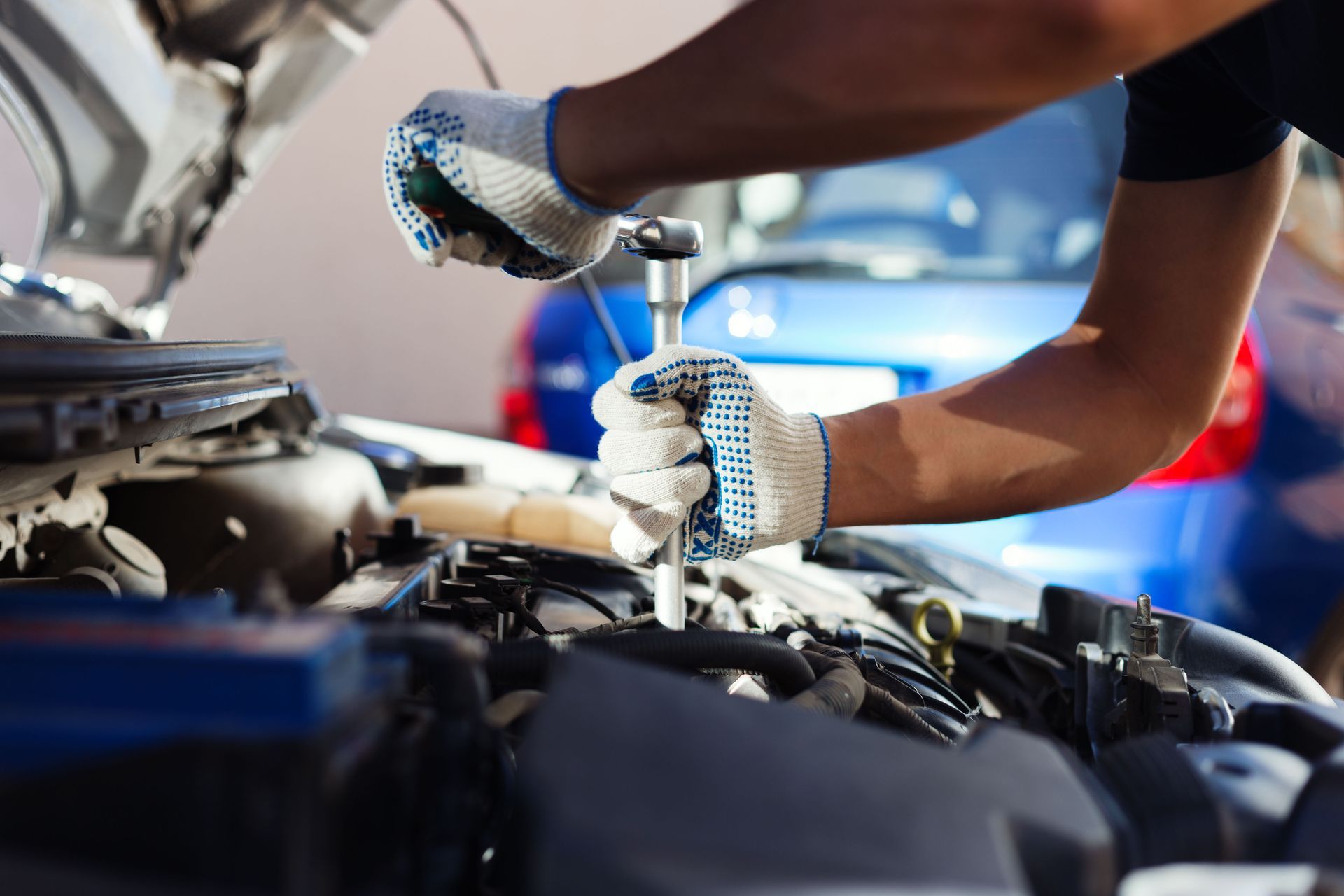
The engine and transmission are the heart of your vehicle. Inspections check for leaks, unusual noises, and smooth gear transitions. Early detection prevents costly failures and extends vehicle life. Mechanics also check fluid levels, belts, and hoses, ensuring the engine runs efficiently. Transmission issues can affect fuel efficiency and overall drivability, making these checks vital for long-term performance.
Brakes and Fluids
Brake pads, discs, and fluid levels are assessed to ensure stopping power. Proper brake maintenance prevents accidents and ensures consistent performance. Inspectors also check master cylinders, brake lines, and fluid quality to detect any hidden issues before they become critical.
Tires and Car Alignment
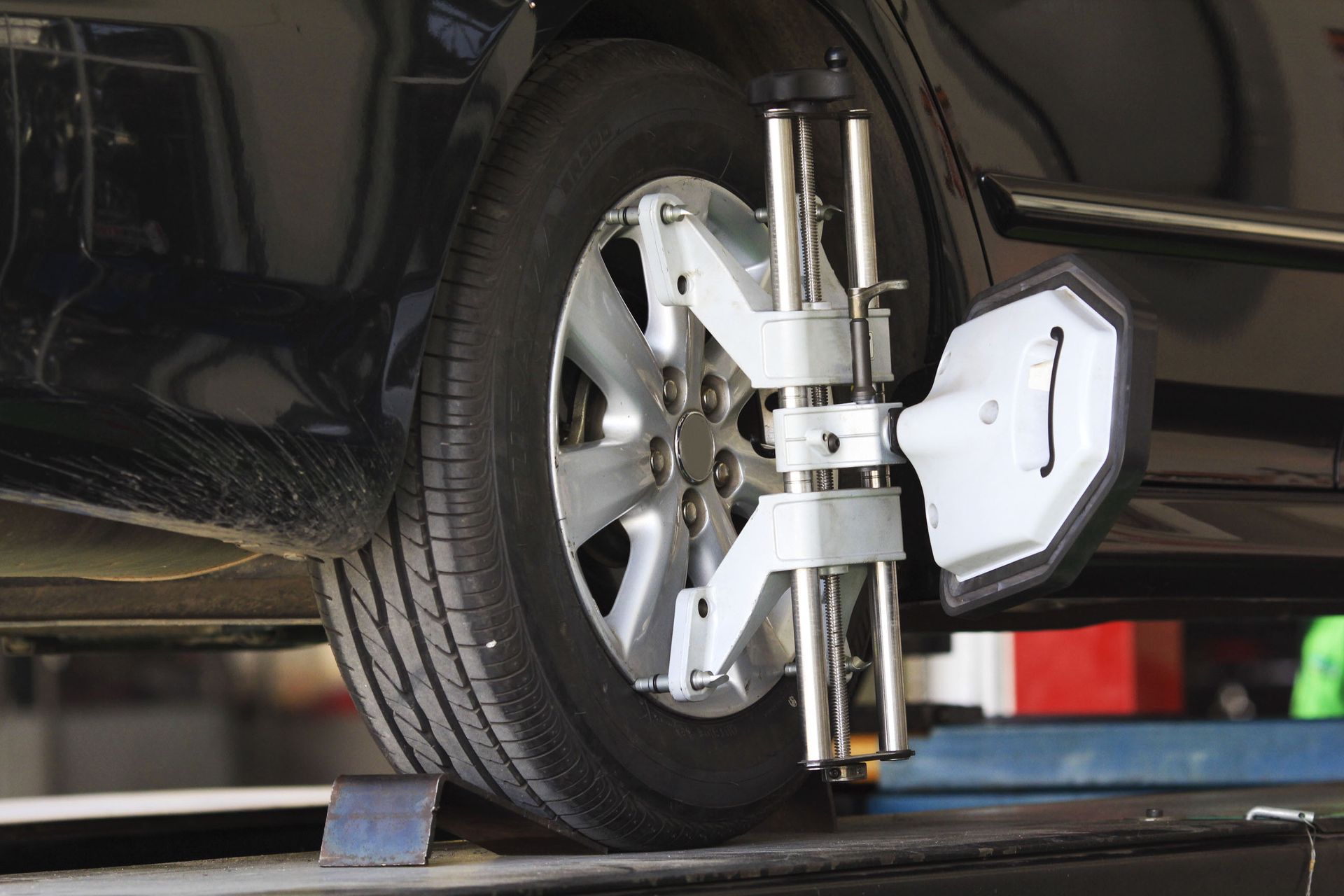
Tire tread depth, pressure, and alignment are crucial for safety and efficiency. Proper car alignment improves handling, prevents uneven tire wear, and contributes to fuel efficiency. Regular checks avoid steering issues, tire blowouts, and unnecessary wear, making inspections essential for safe driving. Alignment adjustments during inspections can also enhance ride comfort and prevent strain on suspension components.
Exhaust and Emissions
Exhaust systems are checked for leaks and damage. Properly functioning emissions systems maintain efficiency and compliance with regulations, protecting both the environment and your car’s performance. Inspections also verify catalytic converter and oxygen sensor functionality, which helps prevent engine issues and potential legal violations related to emissions.
Lights and Electrical Systems
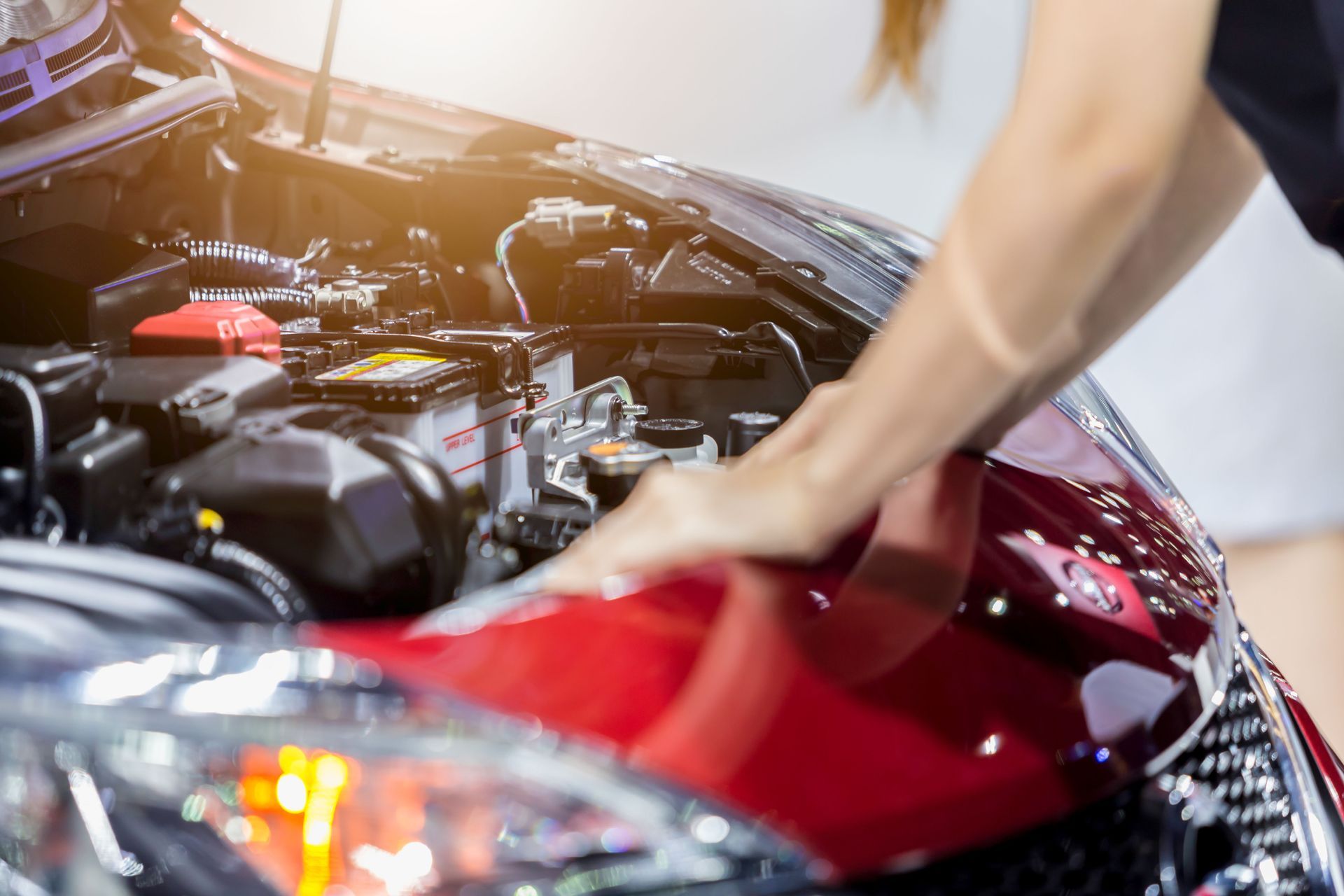
Headlights, signals, and battery performance are examined. Proper lighting and electrical function are critical for visibility and safe operation on the road. Inspectors also review wiring, alternator function, and dashboard indicators to ensure that all systems communicate effectively and safely.
Signs You Need an Inspection Sooner
Unusual Noises or Vibrations
Rattles, squeaks, or vibrations can indicate issues with the suspension, engine, or other components. Early inspections prevent minor problems from escalating into major repairs. Even subtle vibrations could suggest misalignment, worn suspension parts, or tire problems that compromise safety.
Warning Lights
Dashboard alerts signal potential mechanical or safety issues. Prompt inspections identify the cause and prevent further damage. Ignoring these lights may result in costly repairs and increased risk of accidents.
Fuel Efficiency Drops
Reduced mileage can indicate engine or tire issues. Timely inspection ensures fuel efficiency is maintained, saving money and reducing environmental impact. Proper alignment and tire maintenance directly contribute to better fuel economy.
Fluid Leaks
Oil, brake fluid, or coolant leaks can compromise vehicle safety and performance. Inspections catch these early, avoiding serious damage or accidents. Early detection also prevents damage to connected systems like the transmission or engine components.
Poor Handling
If steering feels off or the car pulls to one side, misalignment or suspension issues may be the cause. Regular inspections correct these problems for safe and reliable handling. Proper alignment ensures smooth steering, even tire wear, and better control in adverse weather conditions.
Choosing a Reliable Inspection Service
Certified Technicians
Certified technicians ensure inspections meet industry standards. Professional expertise guarantees that car alignment, safety systems, and mechanical components are correctly assessed. Technicians with ASE or manufacturer certifications are preferable for comprehensive inspections.
Service and Pricing Transparency
Understand what is included in the inspection package and the associated costs. Transparent pricing and comprehensive services ensure your inspection is thorough without hidden fees. A detailed report outlining needed repairs or adjustments is essential for informed decisions.
Common Misconceptions
Only Older Vehicles Need Inspections
All vehicles benefit from inspections, as even new cars can develop unexpected problems. Modern vehicles have complex electronics and components that may fail without warning.
Passing Inspection Guarantees No Future Issues
Inspections reflect the vehicle’s current state; continuous maintenance is necessary to prevent future issues. Regular care ensures your vehicle remains in top condition between inspections.
Inspections Are Too Expensive or Time-Consuming
The cost and time are minimal compared to the long-term safety and financial benefits they provide. A well-timed inspection can prevent major repairs and extend vehicle lifespan significantly.
Skipping Inspections Saves Money
Skipping inspections risks costly repairs and safety hazards. Proactive inspection saves money and preserves vehicle longevity. Maintaining proper car alignment during inspections prevents uneven tire wear and reduces future replacement costs.
Regular vehicle inspections, including checking car alignment, are crucial for safety, efficiency, and longevity. Timely inspections help detect issues early, reduce repair costs, and maintain performance. By choosing a reliable inspection service, preparing your vehicle properly, and staying proactive about maintenance, you ensure peace of mind and safer driving. Prioritizing annual inspections is a small investment with significant long-term benefits for both your wallet and your safety. Maintaining proper car alignment, tire health, and system functionality ensures your vehicle performs optimally for years to come, keeping every journey safe and comfortable. For more information, contact LexService today.






Share On: