
Questions to Ask Your Auto Repair Specialist
When it comes to maintaining your vehicle’s performance and safety, choosing the right auto repair specialist is one of the most important decisions you can make. Asking informed questions before approving service can help you avoid unnecessary costs, understand what your vehicle truly needs, and feel more confident throughout the repair process. A good repair experience is not just about fixing a problem; it is also about clear communication, honest recommendations, and dependable workmanship. When you know what to ask, you are better prepared to protect your vehicle, your budget, and your peace of mind.
Understanding the Vehicle Issue
The first question to ask is what exactly is wrong with your vehicle. A trustworthy mechanic should be able to explain the problem in straightforward language rather than relying only on technical terms. This helps you understand whether the issue is minor, urgent, or part of a larger pattern of wear. It also gives you a clearer idea of what type of repair or maintenance may be needed. When an auto repair specialist takes time to explain the problem thoroughly, it often reflects professionalism and respect for the customer.
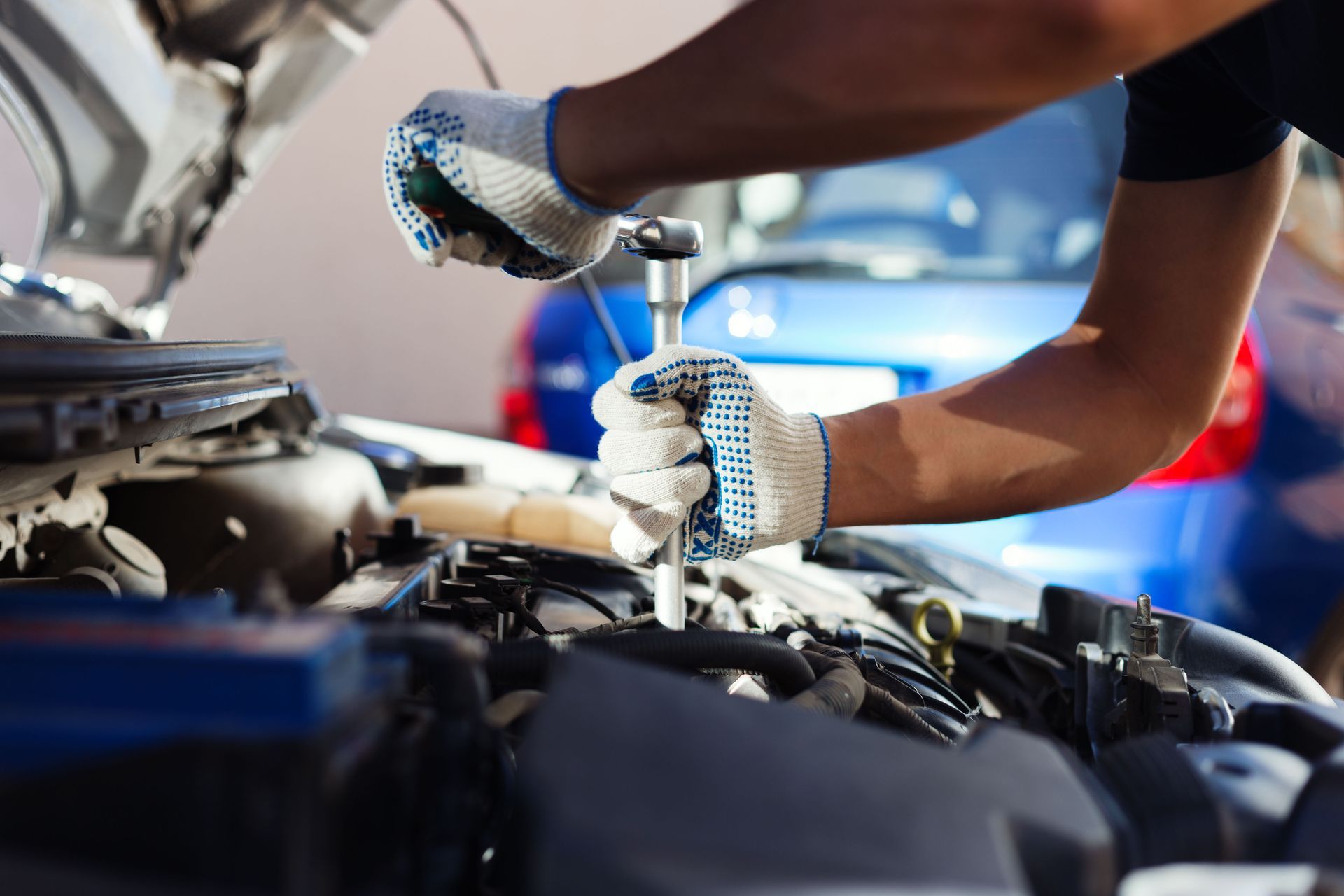
You should also ask how the problem was diagnosed. Many modern vehicles rely on computerized systems, sensors, and specialized testing procedures, so a proper diagnosis usually involves more than a quick visual inspection. Learning whether the shop used scan tools, road testing, fluid inspections, or component testing can help you evaluate the thoroughness of the process. An accurate diagnosis reduces the chance of replacing the wrong part or overlooking a related issue. That kind of precision can save both time and money in the long run.
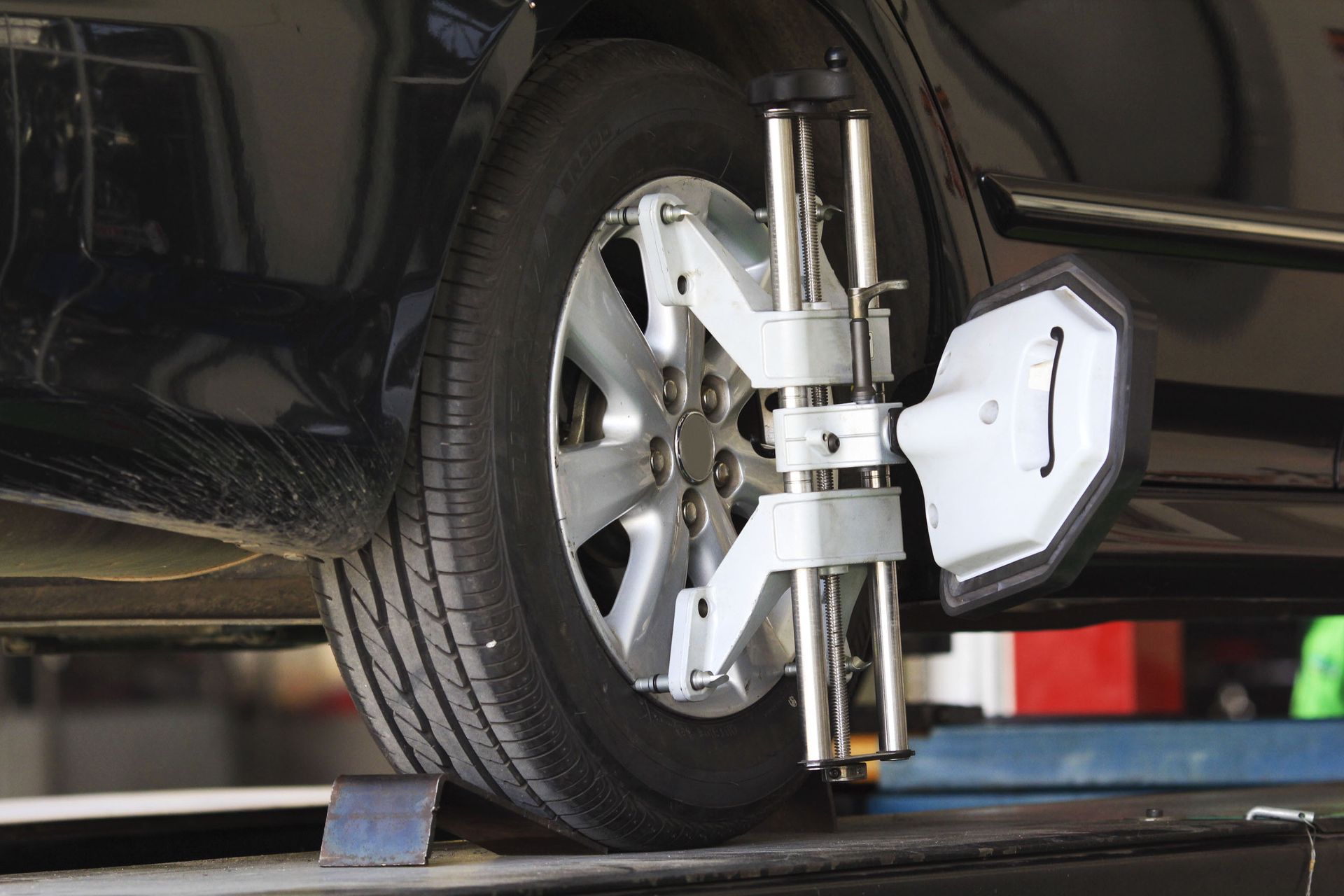
It is also smart to ask whether the current issue may have caused or revealed other problems. Vehicles are complex systems, and one failing component can place extra strain on another. For example, worn brakes can affect rotors, and a coolant leak can eventually damage the engine if left unresolved. According to Bridgestone, people drive between 12,000 to 15,000 miles a year, on average, which means the average good quality all-season tire will last somewhere between three and five years, making routine inspections and maintenance essential for catching wear-related issues before they become costly repairs. Asking these questions helps you think beyond the immediate symptom and focus on the overall health of your vehicle.
Exploring Repair Options
Once the issue has been identified, the next step is understanding what repair options are available. In some cases, there may be multiple solutions depending on your vehicle’s age, condition, and intended use. A quality shop should explain whether a repair, replacement, adjustment, or temporary fix is the most sensible course of action. That conversation should include the pros and cons of each option so you can make a decision based on value rather than guesswork. This is where a knowledgeable auto repair specialist can help you balance safety, cost, and long-term reliability.
You should also ask whether the repair is urgent or whether it can safely wait. Some issues, such as brake problems, steering concerns, or overheating, require immediate attention because they affect safety or could lead to major damage. Others may be less urgent but still worth scheduling soon to avoid inconvenience later. Knowing the timeline helps you prioritize repairs without ignoring problems that could worsen. It also allows you to plan transportation, budget for the work, and avoid feeling pressured into decisions you do not fully understand.
Another useful question is what kind of result you should expect after the repair is complete. Will the problem be fully resolved, or is the repair intended to improve performance until additional service is needed? Understanding the likely outcome helps you set realistic expectations and judge whether the recommendation makes sense. It also encourages a more transparent relationship with the shop. When repair expectations are clear from the beginning, it is much easier to evaluate the quality of service afterward.
Reviewing Costs and Written Estimates
Before authorizing work, always ask for a detailed written estimate. This should break down labor charges, parts costs, shop fees, taxes, and any diagnostic expenses that apply. A written estimate gives you a useful reference point and reduces the risk of confusion when you review the final invoice. It also allows you to compare pricing, if needed, and decide whether the recommendation fits your budget. Clear pricing is one of the strongest signs that an auto repair specialist values honesty and transparency.
It is equally important to ask whether the estimate could change once the work begins. Some repairs uncover hidden damage or additional worn components after technicians remove surrounding parts. That does not always mean the shop is being dishonest, but it does mean you should know their approval process for extra charges. Ask whether they will contact you before performing any work beyond the estimate. That policy protects you from surprise costs and keeps you in control of the decision-making process.
You may also want to ask whether there are different part options available. In some cases, original equipment manufacturer parts may be recommended for performance or warranty reasons, while aftermarket parts may offer a more affordable alternative. A good shop should explain the differences in quality, compatibility, and expected lifespan. If cost is a concern, you can also ask about payment plans, financing, or phased repairs. These conversations help you make practical decisions without sacrificing essential vehicle care.
Confirming Quality, Credentials, and Warranties
Another important topic is the quality of the work and the protections that come with it. Ask what warranty applies to both the parts and the labor. A strong warranty can give you confidence that the shop stands behind its service and will address issues if something fails prematurely. You should understand how long the coverage lasts, what conditions might void it, and whether it applies nationwide or only at that location. These details matter because they affect the long-term value of the repair.
It is also wise to ask about the training and certifications of the technicians performing the work. Certifications, manufacturer training, and ongoing education can indicate that the staff is prepared to work on today’s increasingly advanced vehicles. Experience with your vehicle’s make and model can be especially valuable when diagnosing unusual concerns or handling complex repairs. When an auto repair specialist can point to credentials, experience, and a solid reputation, it often signals a higher standard of care.
Customer reviews and shop history can provide additional reassurance. A business with a strong track record of satisfied customers is more likely to deliver reliable service and communicate professionally throughout the repair process. You can also ask whether the shop uses OEM or aftermarket parts and why they recommend one over the other. These questions show that you are focused on quality, not just price. In many cases, that extra attention leads to better repair decisions and better long-term vehicle performance.
By asking thoughtful questions, reviewing your options carefully, and insisting on clear explanations, you can make smarter decisions about your vehicle’s care. A reliable auto repair specialist should offer more than technical skill; they should provide transparency, guidance, and confidence throughout the repair process. When you understand the diagnosis, estimate, warranty, timeline, and maintenance recommendations, you are in a much stronger position as a vehicle owner. That informed approach helps protect your investment, supports your safety on the road, and builds a more productive relationship with the shop you choose. Contact our team at LexService today and learn more about our auto repair services.






Share On: