
How Toyota Specialist Auto Repair Extends Vehicle Lifespan
Extending a vehicle's lifespan requires consistent maintenance, accurate diagnostics, and repairs that address problems before they become more serious. Toyota vehicles are known for their reliability, but even dependable cars need specialized care to maintain performance over time. Toyota specialist auto repair helps owners protect their investment through vehicle-specific expertise, quality replacement parts, and preventative maintenance. Understanding how these services support long-term reliability can help drivers make informed decisions about their vehicles and avoid unnecessary repair expenses.
Understanding the Importance of Quality Replacement Parts
Replacement parts play an important role in maintaining a vehicle's performance and reliability. Components designed for Toyota models meet specific engineering requirements, helping preserve the way different systems operate together. Toyota specialist auto repair emphasizes selecting appropriate parts that support dependable operation and reduce the risk of premature component failure.
Genuine Toyota parts are engineered to fit compatible vehicles and work with their existing systems. Their design and testing help ensure proper performance, while suitable replacement components can restore functionality when original parts wear out. Using quality parts can also support resale value because prospective buyers may appreciate documented maintenance and repairs performed according to manufacturer recommendations.
Lower-cost aftermarket parts are not necessarily inferior, but quality and compatibility can vary between manufacturers. Choosing an unsuitable component may contribute to additional wear, poor performance, or repeat repairs. A qualified technician can explain the differences between available options and recommend parts appropriate for the vehicle. This guidance helps owners balance upfront costs with long-term reliability and maintenance needs.
Choosing Technicians With Toyota-Specific Expertise
Vehicle-specific knowledge can make a significant difference when diagnosing and repairing mechanical problems. Toyota specialist auto repair gives technicians an opportunity to apply their experience with Toyota engines, transmissions, electrical systems, and model-specific components. Familiarity with these systems can help them identify unusual symptoms and determine which repairs are necessary.
Specialized technicians also use diagnostic procedures and equipment suited to Toyota vehicles. These tools can help identify trouble codes, monitor system performance, and narrow down the possible causes of warning lights or mechanical symptoms. Accurate diagnosis reduces the likelihood of replacing functioning components unnecessarily and helps ensure that repairs address the underlying problem rather than only its visible effects.
Technical service information provides another valuable resource. Manufacturer communications may identify recurring concerns, updated repair procedures, or recommended diagnostic steps for particular models. Technicians who consult relevant information can make better-informed decisions and recognize issues that might otherwise take longer to investigate. Their familiarity with common Toyota concerns can also help owners understand which maintenance tasks deserve attention.
Maintaining Essential Vehicle Systems
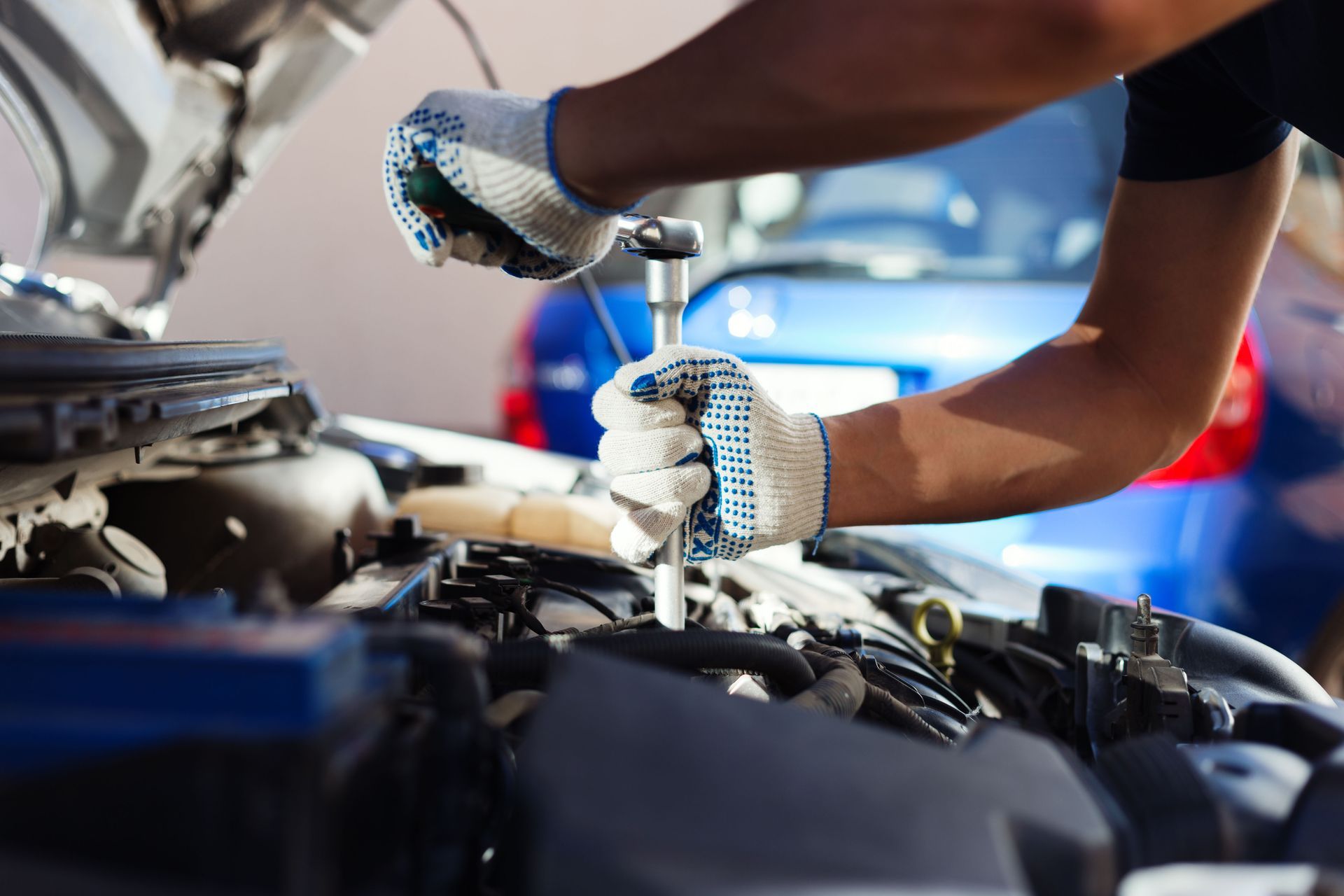
Routine maintenance helps preserve the performance of the systems responsible for safe and dependable driving. Toyota specialist auto repair includes inspections that can reveal developing problems before they lead to breakdowns or extensive component damage. Depending on the vehicle's age, mileage, and condition, technicians may examine the engine, transmission, suspension, exhaust, and other important systems.
Preserving Engine and Transmission Performance
Engine oil reduces friction, helps manage heat, and carries contaminants away from moving components. Following the recommended oil-change schedule supports proper lubrication and helps limit internal wear. Coolant also requires attention because it helps regulate engine temperature and protects the cooling system. Technicians can check fluid condition, inspect for leaks, and identify problems that could contribute to overheating.
Transmission maintenance is equally important. Depending on the model and transmission type, the manufacturer may specify particular inspection or fluid-service intervals. Following the correct recommendations helps protect internal components and supports smooth operation. Addressing fluid leaks, unusual noises, delayed engagement, or shifting changes early may prevent a relatively manageable concern from developing into a more expensive repair.
Maintaining Brakes, Tires, and Electrical Components
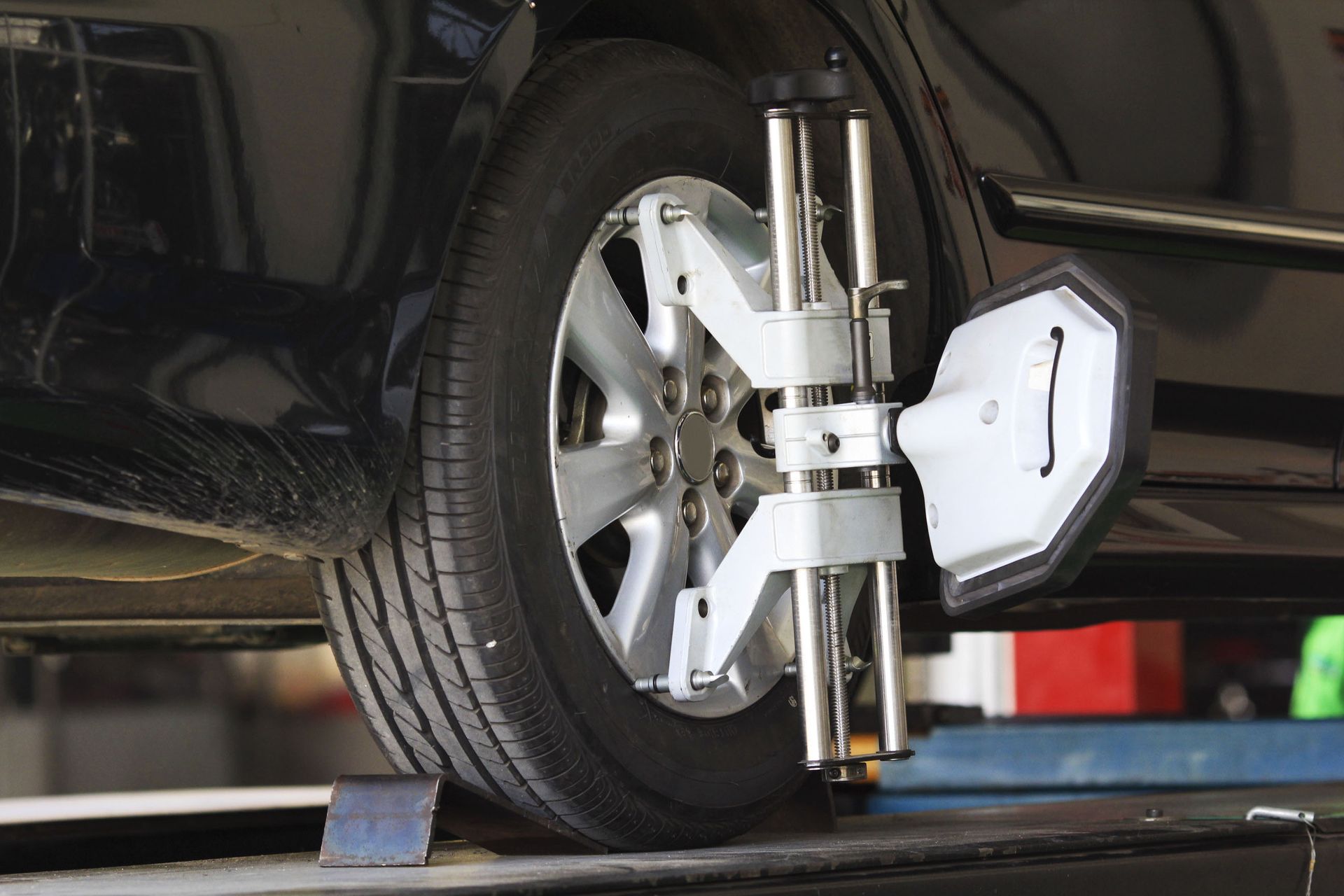
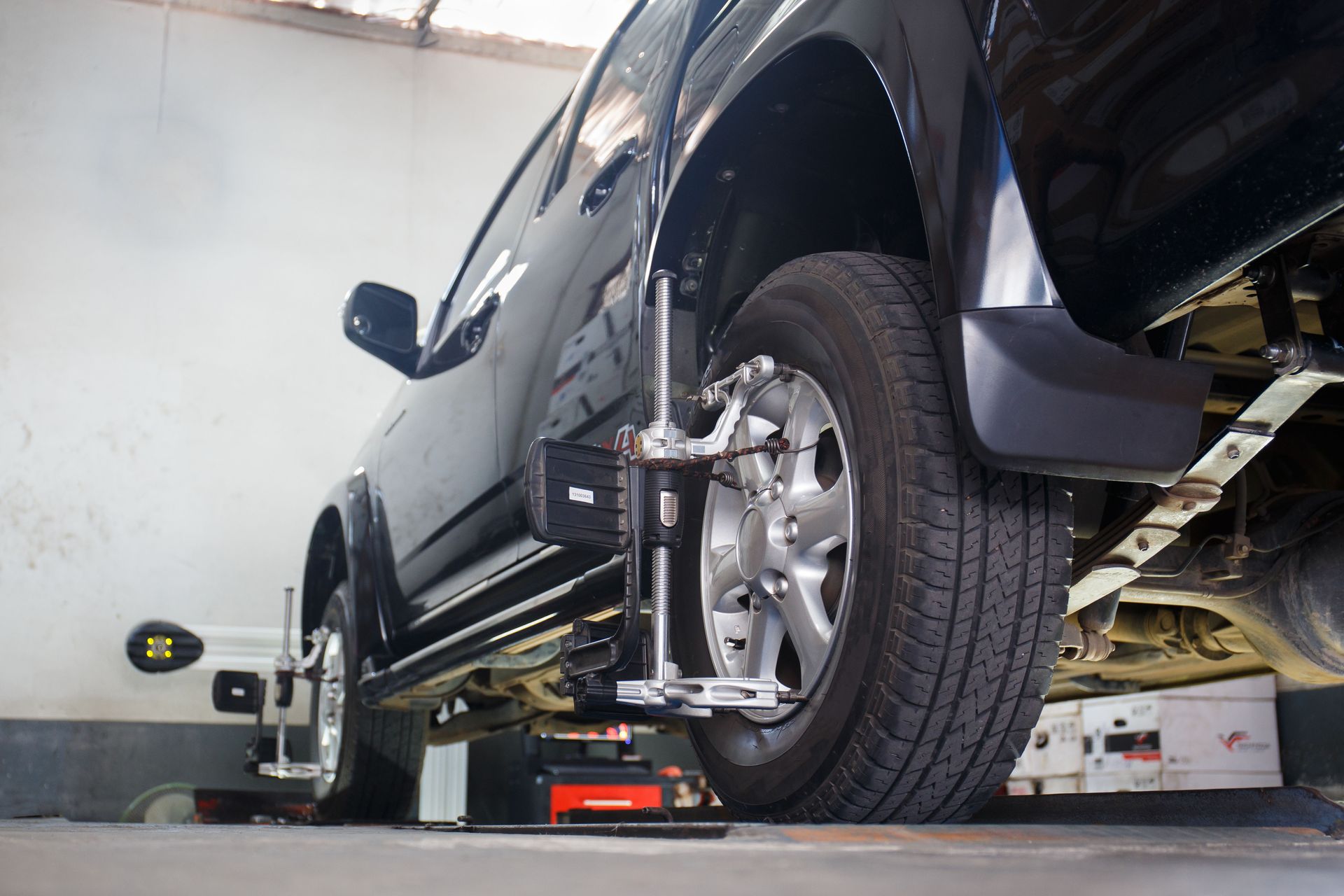
Brake inspections help technicians assess pad thickness, rotor condition, fluid levels, and other components involved in stopping safely. Tire rotations, pressure checks, and tread inspections promote more even wear and reliable traction. Properly maintained tires can also contribute to fuel efficiency and handling, while identifying uneven wear may reveal alignment or suspension concerns.
Electrical system inspections help identify weak batteries, charging problems, damaged wiring, and faulty connections. These issues can affect starting reliability and interfere with electronic features. Regular checks allow technicians to recommend appropriate repairs before an electrical fault leaves the vehicle inoperable. Maintaining these interconnected systems supports dependable daily driving and helps preserve the vehicle's overall condition.
Using Advanced Diagnostics to Prevent Major Repairs
Modern Toyota vehicles rely on electronic controls and sensors to manage many mechanical and safety functions. Toyota specialist auto repair uses appropriate diagnostic equipment to evaluate these systems and identify potential faults. Technicians can retrieve diagnostic trouble codes, review available sensor data, and perform targeted tests to determine why a warning light appeared or a system stopped functioning correctly.
Diagnostic codes do not always identify a failed component directly. A warning may result from a faulty sensor, damaged wiring, a mechanical issue, or another underlying cause. Further testing helps technicians distinguish between these possibilities before recommending a repair. This process reduces guesswork, limits unnecessary parts replacement, and improves the likelihood that the original concern will be resolved.
Software updates and manufacturer-recommended adjustments may also be relevant to certain vehicles. When applicable, these updates can address specific operating concerns or improve system functionality. Technicians can determine whether a vehicle qualifies for an update or requires additional investigation. By combining diagnostic testing with informed repair decisions, specialists help owners address problems before they create more extensive damage.
Planning Maintenance for Long-Term Reliability
A consistent maintenance schedule is one of the most effective ways to protect a vehicle over time. Toyota specialist auto repair allows maintenance recommendations to reflect the specific model, mileage, age, and driving conditions. A vehicle frequently used for short trips, heavy traffic, or towing may require different attention than one driven primarily on open roads.
Owners should follow the maintenance schedule in their vehicle's owner's manual and discuss any changes in driving habits with their technician. Scheduled services may include fluid inspections, filter replacement, tire rotations, brake checks, and other model-specific tasks. Keeping records of completed services helps owners track upcoming needs and gives technicians a clearer understanding of the vehicle's maintenance history.
Battery condition deserves attention as vehicles age, particularly when extreme temperatures or frequent short trips affect charging performance. Routine testing can reveal declining capacity before the battery fails unexpectedly. Technicians can also inspect belts, hoses, suspension components, and other wear items to determine whether replacement is appropriate. Addressing these needs at the right time helps reduce unexpected interruptions and supports long-term vehicle performance.
Building Confidence Through Transparent Service
Reliable vehicle care involves more than technical skill. Clear communication helps owners understand the condition of their vehicles, prioritize repairs, and make decisions that fit their budgets. A trustworthy repair shop explains its findings, identifies urgent concerns, and distinguishes necessary repairs from services that can be scheduled for later.
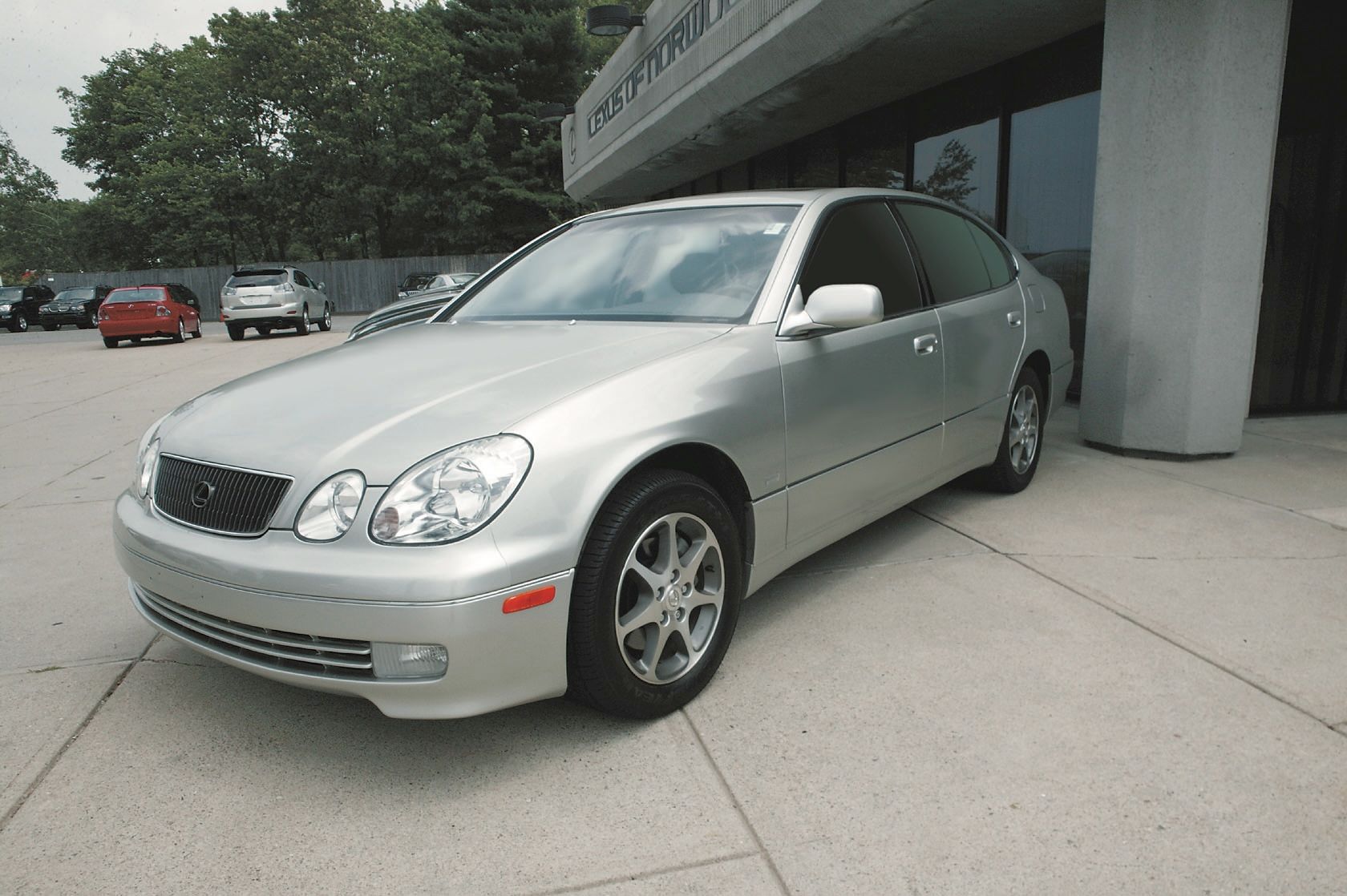
According to Consumer Affairs, the three car brands with the fewest service issues are Lexus, Toyota, and Buick. This recognition highlights Toyota's reputation for reliability, but even dependable vehicles need regular maintenance to maintain their performance over time. Working with knowledgeable technicians helps owners address developing problems early, protect essential vehicle systems, and preserve their Toyota's long-term reliability.
Detailed service records also contribute to a better ownership experience. Documentation of inspections, parts, and completed repairs makes it easier to identify recurring issues and plan future maintenance. Consistent communication and practical recommendations help establish a long-term relationship between vehicle owners and their repair professionals. Over time, this approach supports informed decisions and more predictable maintenance expenses.
Consistent professional care can help reduce avoidable wear, maintain dependable operation, and protect the value of a Toyota over the years. For knowledgeable maintenance and repair support, contact LexService to schedule an appointment and discuss the services your vehicle needs to remain reliable for the road ahead.







Share On: